The fixed vs operable windows question is one of the earliest calls a specifier makes on an aluminum fenestration package, and it is decided by physics and code long before it is decided by taste. A fixed window is a sealed glazed frame with no moving sash, so its performance envelope is comparatively simple to control. An operable window adds a sash, hinges or tracks, locks, and weatherstripping, each of which is a potential path for air, water, and heat. This guide lays out that decision axis, cross-referencing the definitions and product families already covered on this site rather than repeating them.
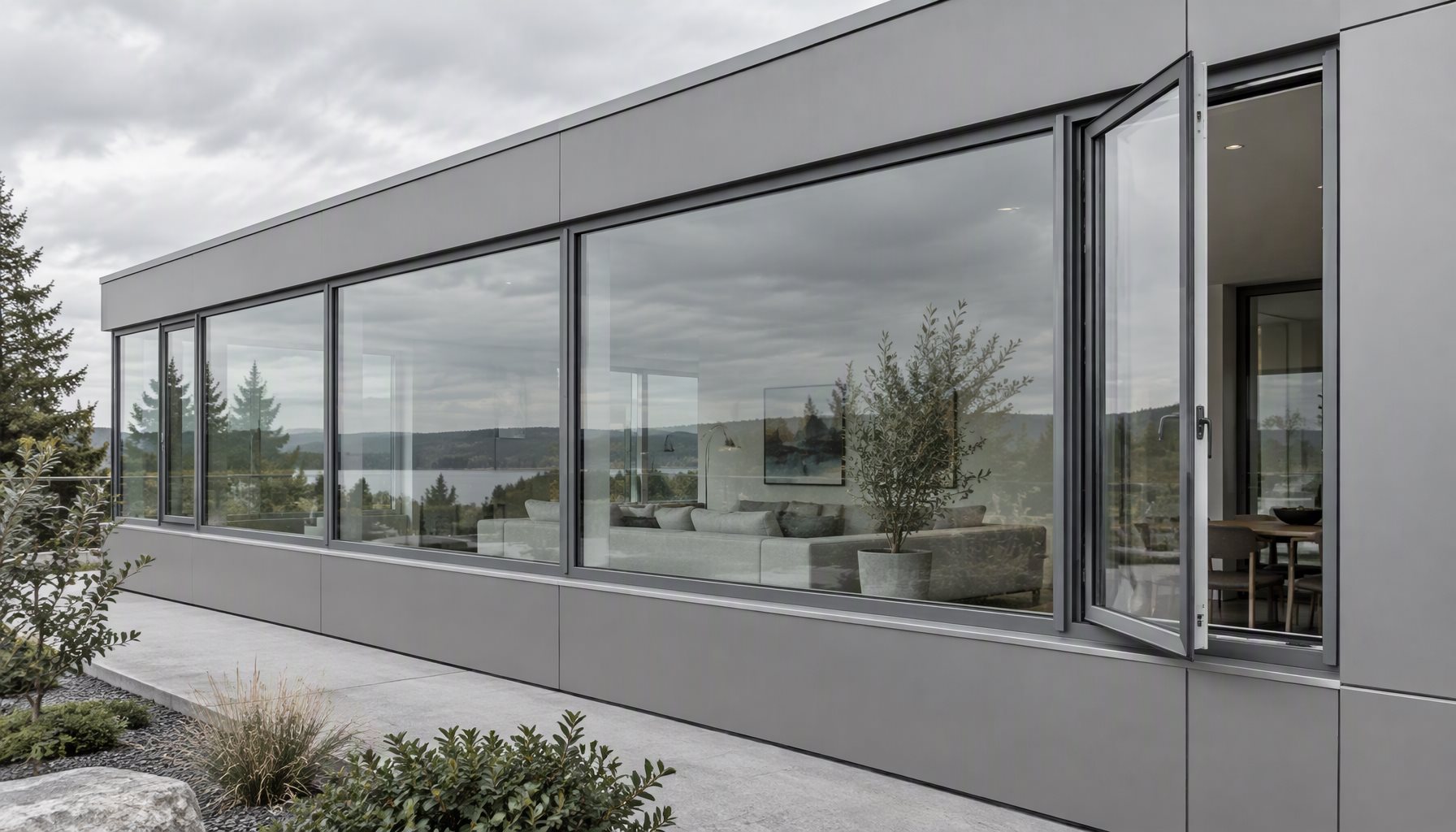
What the Fixed vs Operable Windows Decision Actually Is
At its core, the fixed vs operable windows decision is a trade between view area, structural simplicity, and function. A fixed unit is a glazed frame set into the opening and left alone. Nothing swings, slides, or tilts, so there is no operating hardware to load, seal, or maintain. That keeps the frame slim, the sightline uninterrupted, and the thermal and air-leakage behavior easier to predict because there is only one continuous boundary to detail.
An operable unit trades some of that simplicity for ventilation and, when sized and sited correctly, for a required means of egress. The moment a sash must move, the design must accommodate weight, a load path for wind, an operating mechanism, and a seal that stays compressed across many open-close cycles. Neither choice is inherently better; the right answer depends on what the opening has to do.
| Opening Must Do This | Fixed Unit | Operable Unit |
|---|---|---|
| Pass air through the wall | No | Yes |
| Serve as a rescue opening | No | Only if egress-rated |
| Give the largest clear glazed field | Yes | Reduced by the sash |
| Minimize moving parts to service | Yes | Sash, hardware, seals |
Where Fixed Glazing Wins
Fixed windows earn their place where the priority is a large, clear, uninterrupted pane and where ventilation will be handled elsewhere. They carry less hardware, so per unit of glass they are usually the simpler and lighter assembly, and the reduced frame complexity keeps sightlines clean for the maximum glazed area. Because the glazing edge is permanently captured on all four sides, there is no moving joint to compress or weather over time.
For the definition of a fixed window, its framing, and its structural and thermal behavior in detail, see our dedicated guide to fixed windows. That article owns the fixed-specific mechanics, so this page deliberately does not restate them and keeps its focus on the comparison and the decision.
Where Operable Windows Earn Their Keep
Operable aluminum windows exist to move air and, where code requires it, to serve as emergency exits. Casements, awnings, tilt-turns, and sliding units each bring a different opening geometry and hardware logic. A crank-operated casement seals by compressing the sash against the frame, which is why side-hung and top-hung operables often hold air and water better than a sliding track that relies on brush seals and weep paths.
The choice among operable types is its own decision. For how operable styles fit within the wider aluminum range, see the aluminum window types pillar; for the geometry of units that hinge outward, see our overview of windows that open outward. Sliding assemblies, which sit at a distinct end of the operable spectrum with their own track and balance logic, are detailed in the sliding glass door specifications and standard sliding door sizes guides.
The Structural and Thermal Difference
This is the part of fixed vs operable windows that most often gets oversold, so it is worth stating precisely. A fixed frame can be engineered as a comparatively pure bending member: it resists wind pressure and transfers it to the structure, and the insulated glazing unit is permanently captured on all four edges. With no sash opening, whole-window thermal transmittance is governed by the frame, the glass-edge spacer, and the pane itself, with no operable joint in the middle to complicate the calculation.
An operable assembly introduces a moving boundary between sash and frame. That boundary is where air leakage is measured and where condensation risk can concentrate, because it combines a metal-to-gasket interface with a thermal bridge. Whole-window U-value is never a property of the operating style alone; it depends on frame geometry, thermal-break design, glazing build-up, spacer, and dimensions evaluated together, which our explanation of the aluminum window U-factor sets out, including why Uw, Uf, and Ug are not interchangeable. Coatings and gas fills such as low-E argon glass apply to fixed and operable units alike.
The relevant point here is directional, not absolute: all else equal, a fixed unit has fewer sealing interfaces to manage than an operable one, but a well-built compression-sealed casement can still meet stringent air-leakage and water-resistance criteria. Performance is configuration-specific and should be read from a rated label, not inferred from the style. The NFRC describes how whole-product ratings are established and labeled, and the window-layer standards governing structural, air, and water performance for both fixed and operable products sit within the AAMA/WDMA/CSA framework referenced by FGIA.
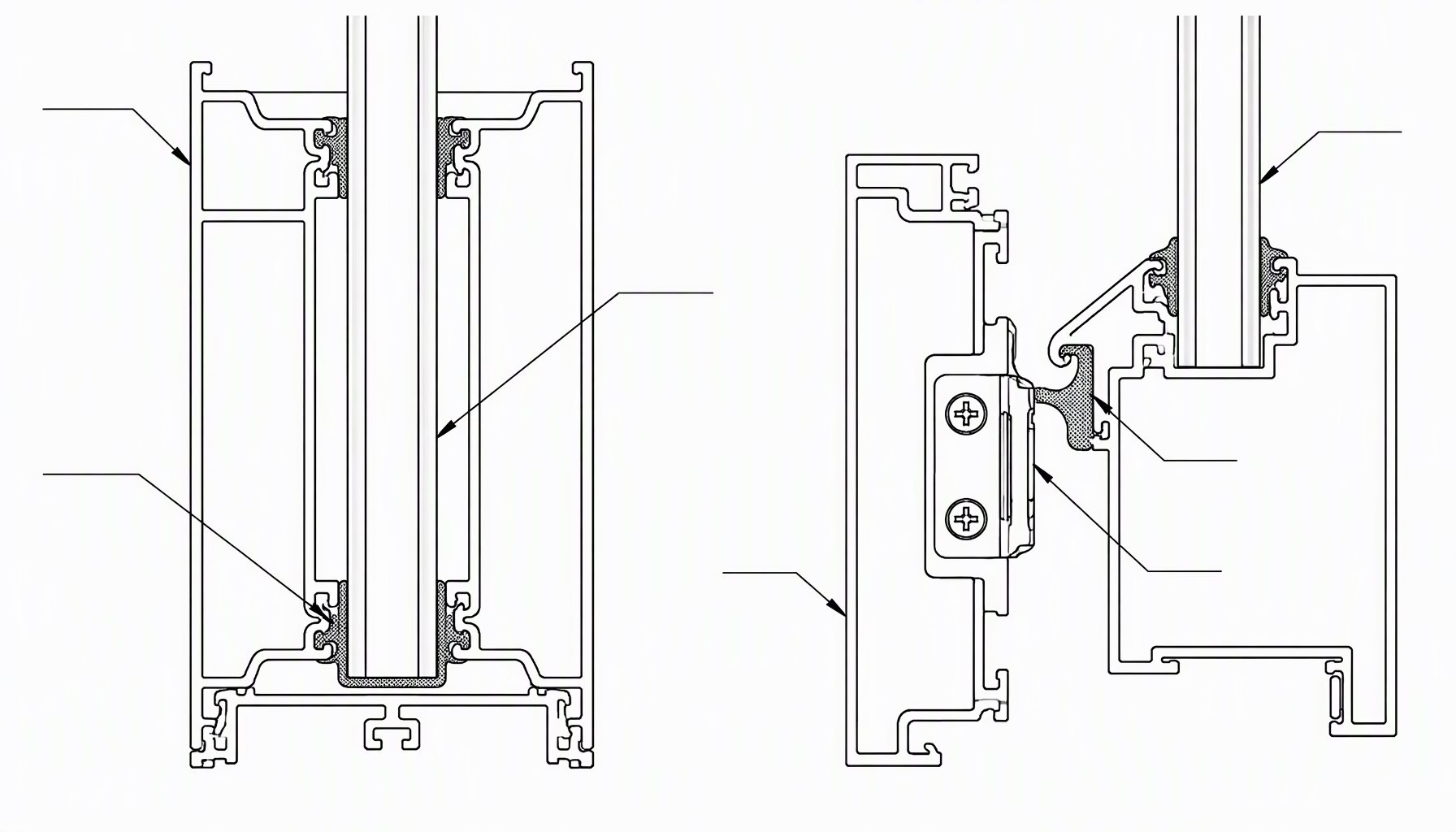
Egress, Ventilation, and Code
Ventilation and emergency escape are the two functional reasons an opening becomes operable, and both pull against the simplicity of a fixed unit. A fixed pane will not clear a room of heat on command and will not serve as a rescue opening. Where a code-mandated egress opening is required, the choice is effectively made for you: the unit must open to a minimum clear width and height with a maximum sill height, which rules out a sealed fixed frame regardless of how clean it looks.
Whether a given operable style satisfies those minimums depends on the specific model and its rated clear opening evaluated against the adopted edition of the residential or building code, not on the operating style in the abstract. The International Code Council publishes the current codes and their adoption status. Because local amendments vary, treat egress as a project-by-project verification and design the fixed-and-operable mix around where the code actually requires an openable unit.
Cost and the Mixed Package
On a per-glass-area basis, fixed units are frequently the more economical choice because they omit the sash, hardware, and additional sealing an operable assembly requires. That is a general tendency, not a published number; pricing varies significantly by size, glazing build-up, thermal-break specification, hardware finish, and installation scope. The cost drivers behind aluminum pricing are broken out in our aluminum window cost guide, which should be read before assigning any budget figure to either side of the comparison.
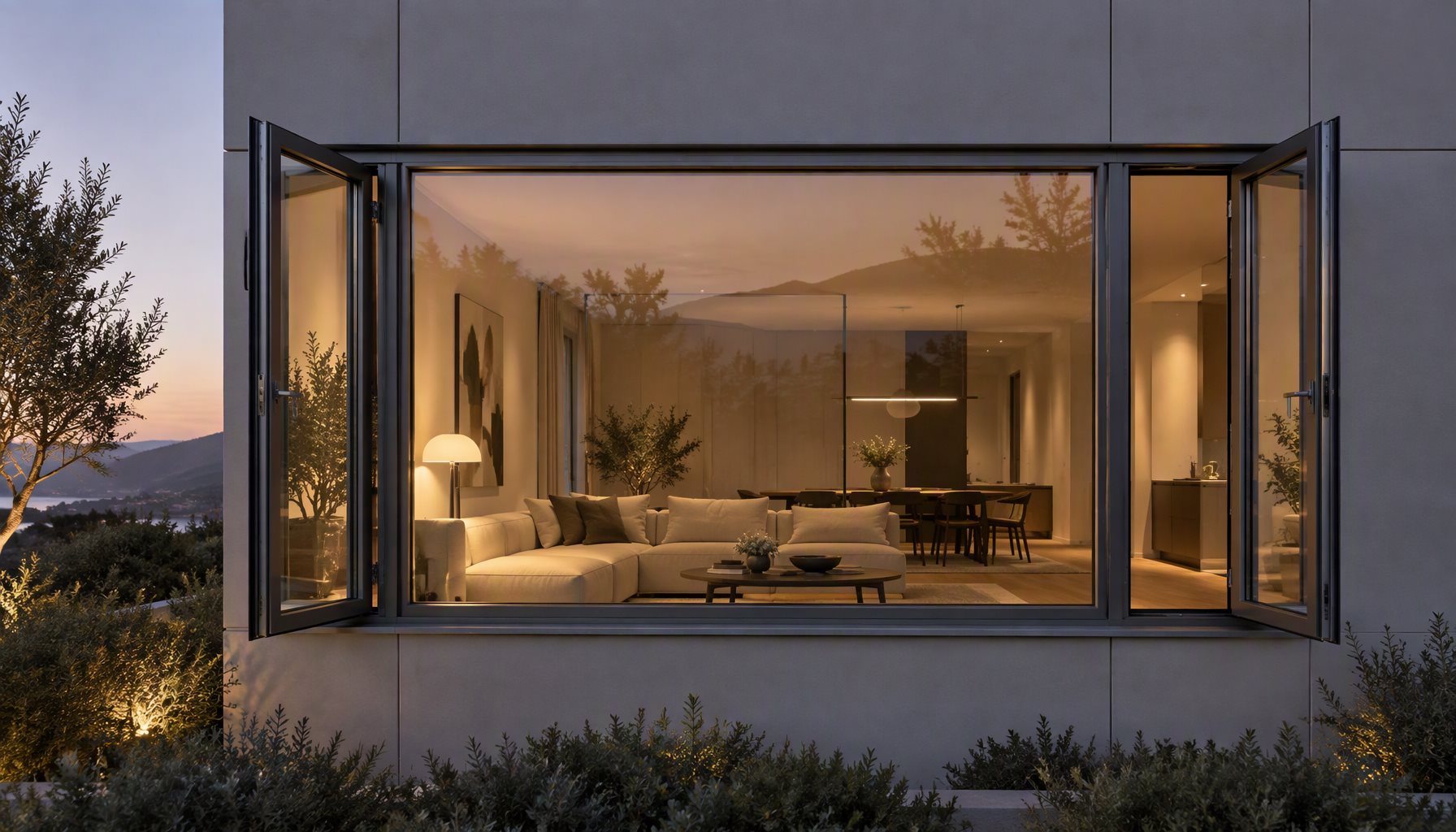
In practice, most elevations are a mixed package: fixed picture units sized for maximum view and daylight, paired with operable units placed for cross-ventilation and any code-required exits. Sizing each opening correctly matters more than picking one style for the whole building, and the relationship between rough opening and finished frame is treated in our rough-opening sizing guide.
Fixed vs Operable Windows: A Decision Matrix
The decision matrix below reduces the fixed vs operable windows choice to the requirements that actually drive it, so a specifier can pick per opening rather than per building.
| Project Requirement | Recommended Choice | Why |
|---|---|---|
| Maximum uninterrupted view and daylight | Fixed window | One sealed glazed frame with no sash interrupting the sightline |
| Cross-ventilation for the space | Operable window | A moving sash is the only way the opening can pass air |
| Code-required emergency escape | Operable, egress-rated | A fixed pane cannot open to the required clear width and height |
| Largest glazed area in a slim frame | Fixed window | No operating sash to carry, so the frame stays lighter |
| View plus airflow on one elevation | Mixed fixed + operable | Fixed holds the view; operables sit where air and exit are needed |
Frequently Asked Questions
Is a fixed window more energy efficient than an operable one?
Not automatically. A fixed unit has fewer sealing interfaces, which can make its air-leakage behavior easier to control, but whole-window energy performance depends on the frame, glazing, spacer, and dimensions together, and is read from a rated label rather than assumed from the style. A compression-sealed casement can meet demanding criteria.
Can a fixed window be used for egress?
No. An egress opening must open to a minimum clear width and height with a limited sill height, which a permanently sealed fixed pane cannot satisfy. Where code requires a rescue opening, that opening must be an operable unit rated for the required clear dimensions.
Are fixed windows cheaper than operable windows?
Per unit of glass area, fixed windows are frequently less expensive because they omit the sash, hardware, and extra sealing. The actual difference depends on size, glazing, thermal specification, and installation scope, so treat cost as configuration-specific and consult a cost guide before budgeting.
In fixed vs operable windows, which suits a large picture opening?
For the largest glazed area with an uninterrupted view, fixed is usually the better structural choice because there is no sash to carry and the frame can stay slimmer. If ventilation is needed at the same wall, the common answer is a fixed picture unit paired with narrower operables beside it.
Do operable aluminum windows leak more than fixed ones?
They have more sealing interfaces, so there is a moving joint to manage, but a well-built compression-sealed operable can meet stringent air and water criteria. Judge performance from the tested, rated configuration rather than from the operating style in general.
Can I mix fixed and operable windows on one facade?
Yes, and most projects do. Fixed units serve the large view and daylight areas while operables are placed for cross-ventilation and any code-required exits. Designing the mix per opening matters more than choosing a single style for the whole building.
Specify the Right Mix for Your Elevation
Deciding between fixed and operable windows is a per-opening call driven by view, ventilation, egress, and structure. Send your drawings, opening schedule, location, and performance requirements, and our team can review the fixed-to-operable mix, frame sizing, and glazing build-up before production. You can contact Lansen to start a specification review.